Quartz and granite worktops
Thank you for viewing our professional guide to determining the best worktop material to fit your kitchen.
Both quartz and granite are two great materials, in terms of durability, style and functionality.
In this guide, we highlight the important features of both materials, including their pros and cons. We compare their durability, maintenance, look and cost side by side.
By the end you will have an overview of what each of these materials offer to you, and will guide you in selecting a material that suits you, your house, style and budget.
Key Information About Quartz Countertops
Quartz countertops are becoming more and more popular for kitchens and bathrooms because they are stylish, functional, and dependable. They are a great option for a modern remodeling project. Below is a straightforward summary of why quartz is such a great option.
What is Quartz and What Are its Characteristics?
Quartz countertops are an engineered surface made by binding natural quartz crystals with resins and color pigments to form a strong, consistent material.
The result is a material that is non-porous and very resistant to scratches, stains, and heat.
Unlike natural stone materials like granite, quartz never needs to be sealed, because that property was built into the material during the manufacturing process.
Quartz is available in many colors, patterns, and finished, and can work in both modern and traditional design schemes.
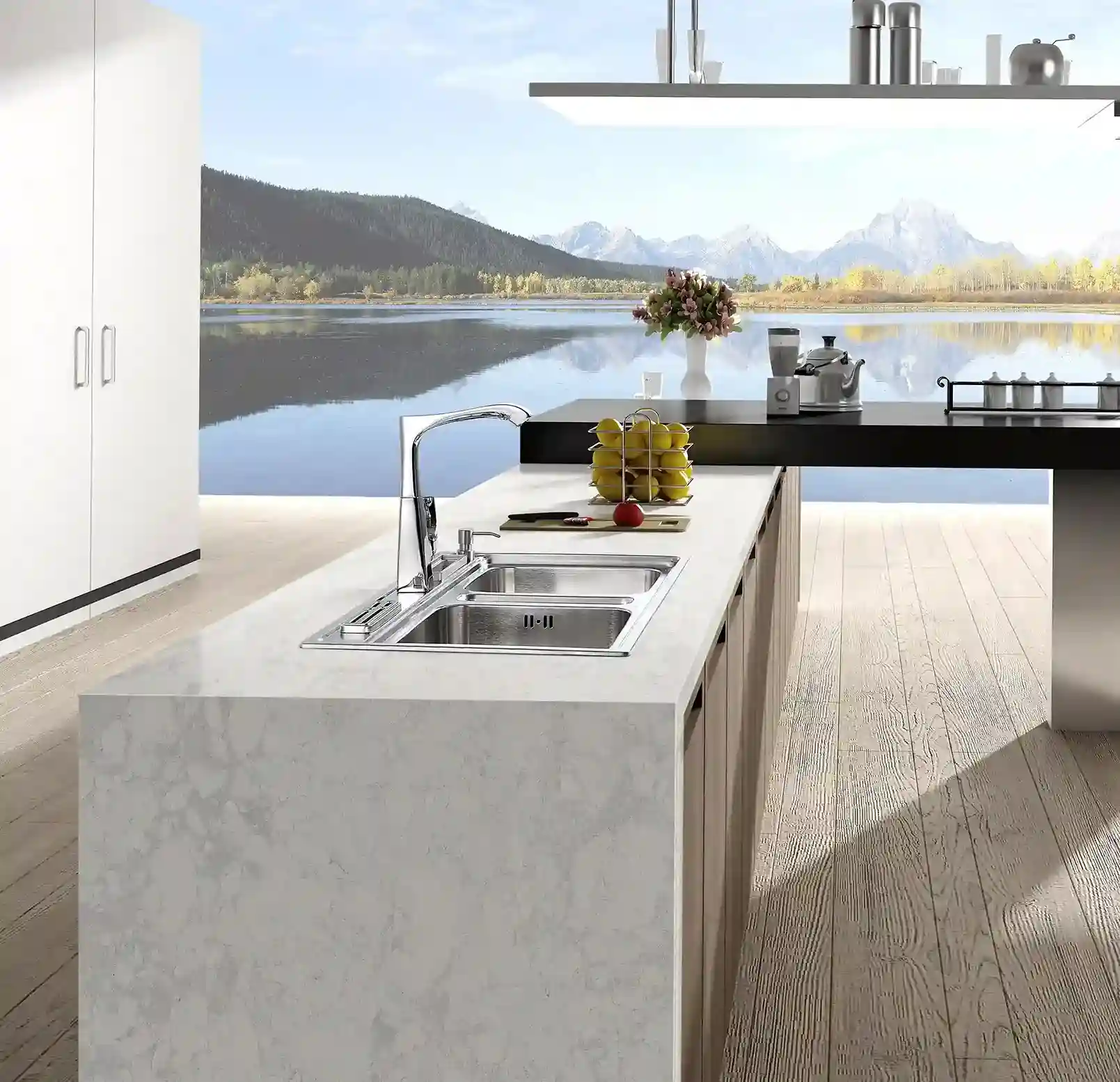
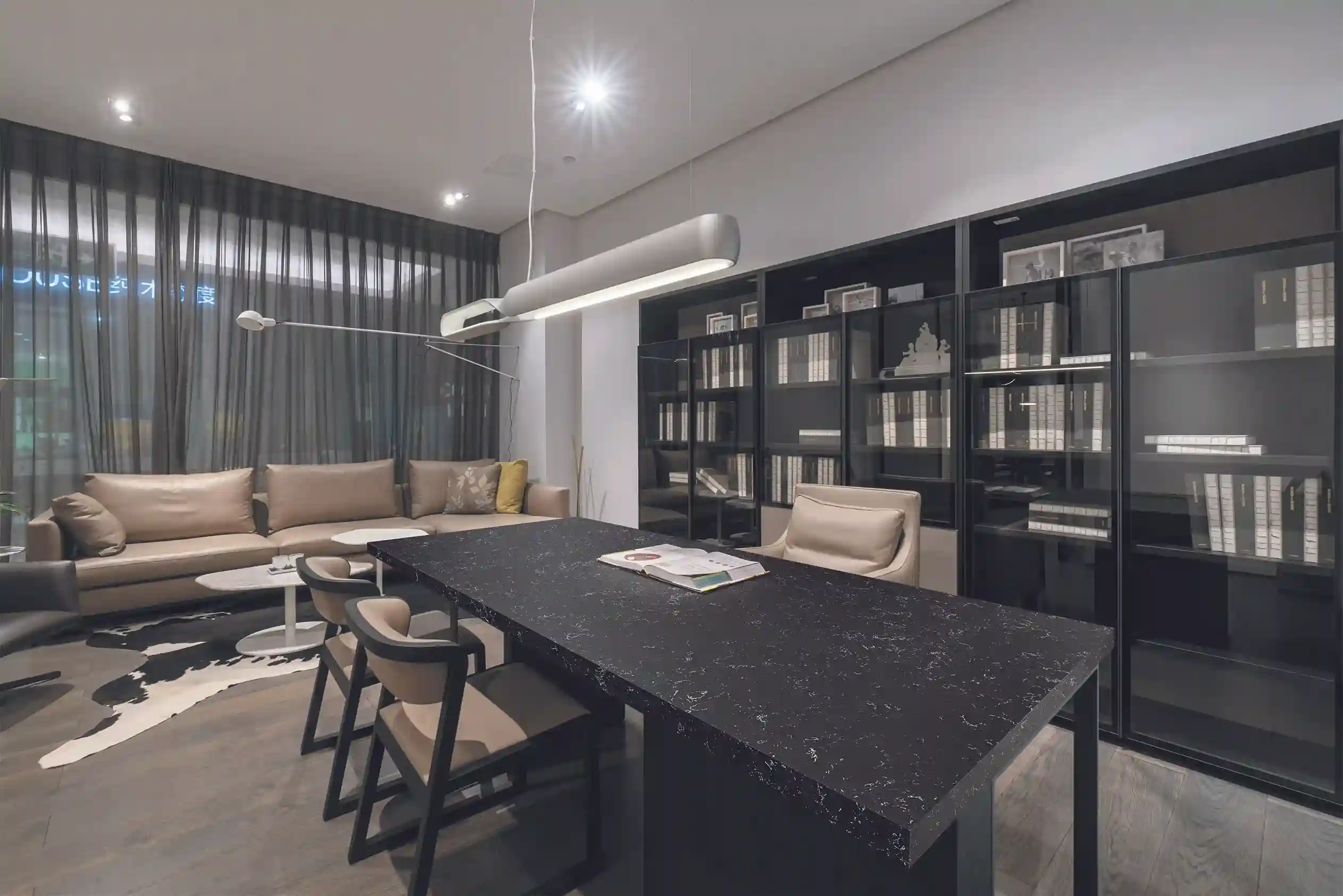
Advantages of Quartz Countertops
DurabilityCountertops are tough and able to withstand everyday use without diminishing shine and appearance.
Stain Resistance Quartz is non-porous and is therefore not susceptible to liquid absorption. This makes it very stain resistant for everyday household materials like coffee, wine, and cooking oil.
Scratch Resistance Quartz is a strong and solid material because it is combined with quartz crystals with resin. Quartz is resistant to scratching with everyday use and accidental marks from everyday kitchen tools or utensils are unlikely.
Heat Resistance Although it is always important to use a trivet or heat pad with hot cookware, countertops will give you some heat resistant properties compared to laminate, which holds up well in a busy kitchen.
An Overview of Granite Worktops
Granite worktops have been a popular choice for modern kitchen designs. Their durability, beauty, and classic look make them a favourite in both traditional and modern homes. Learning about granite and how it is formed will help you make a better decision when using granite in your kitchen and/or bathroom.
Granite is a natural igneous stone formed by the solidification of magma deep in the Earth the slow diction of magma. It consists of quartz, feldspar, and mica, among other minerals.
These minerals are responsible for granite's distinctive appearance. It can come in colours that range from subtle earth tones to vivid blue and green colours. Each slab of granite is individual, as each contains unique patterns and colour variations.
Benefits of Granite Worktops
- Durability:When sealed correctly, granite is very strong. It is scratch, chip, stain, and high use kitchen wear resistant.
- Heat Resistant: Granite can withstand the heat of pots and pans set directly on its surface.
- Low Maintenance: Once sealed, granite is non-porous and naturally resists bacteria. It can be cleaned simply with soap and water.
- Longevity: With proper care granite worktops last a lifetime, giving you a long-lasting countertop and kitchen or bathrooms!
Finding the Best Material for Your Worktop: Granite vs Quartz
Granite Vs. Quartz: How to Pick The Best Worktop for Your Kitchen Deciding on a worktop for your kitchen is a challenge; is it quartz or is it granite? Both options offer advantages that can improve the aesthetic, durability, and usability. Let’s look at the key differences between quartz and granite worktops.
Durability
Quartz Quartz worktops are made using natural quartz crystals, held together by resins to produce a very strong surface. Quartz is non-porous and resistant to scratching and staining, as well as hot items and impact, making it perfect compacted for busy kitchens and daily use.
GraniteGranite is a natural stone developed slowly deep within the Earth’s crust as molten magma cooled. Granite worktops are very strong and durable, with a natural beauty that is all its own. Granite also is a little more vulnerable to chipping or cracking from extreme pressure than quartz
Care
QuartzA primary benefit of quartz is low maintenance.Unlike natural stones such as granite or marble, quartz requires no sealing, as its non-porous surface is naturally protected.Its non-porous surface makes the risk of stains and bacterial growth minimal. Simple cleaning requires soap and water wiping.
GraniteGranite is also low maintenance, but requires sealing once per year (approximately). Sealing prevents absorbing spills or stains. Once sealed, granite will be resistant to bacteria and wear and tear from everyday living, while still maintaining its natural shine for years.
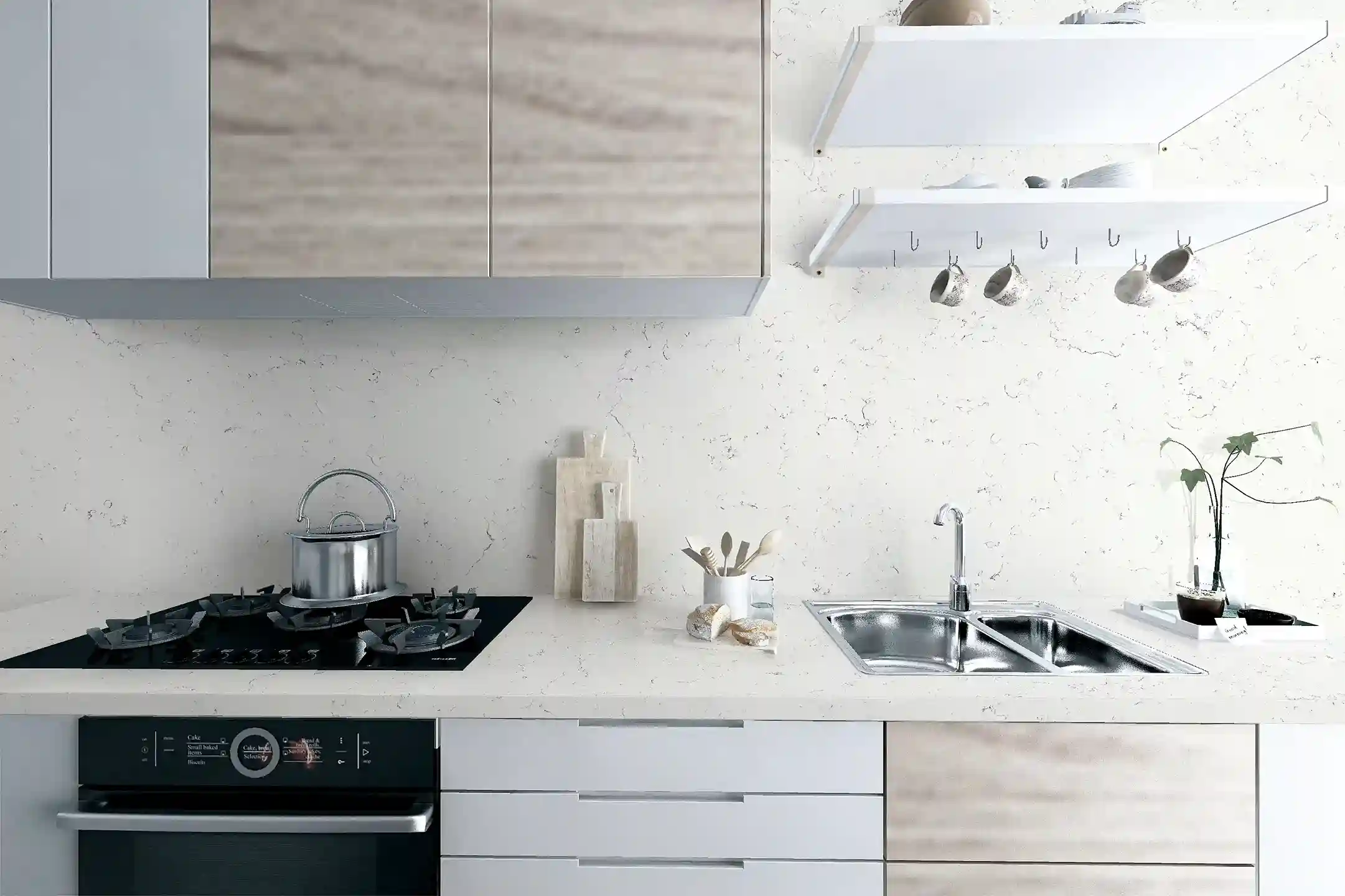
Comparison of Care and Appearance
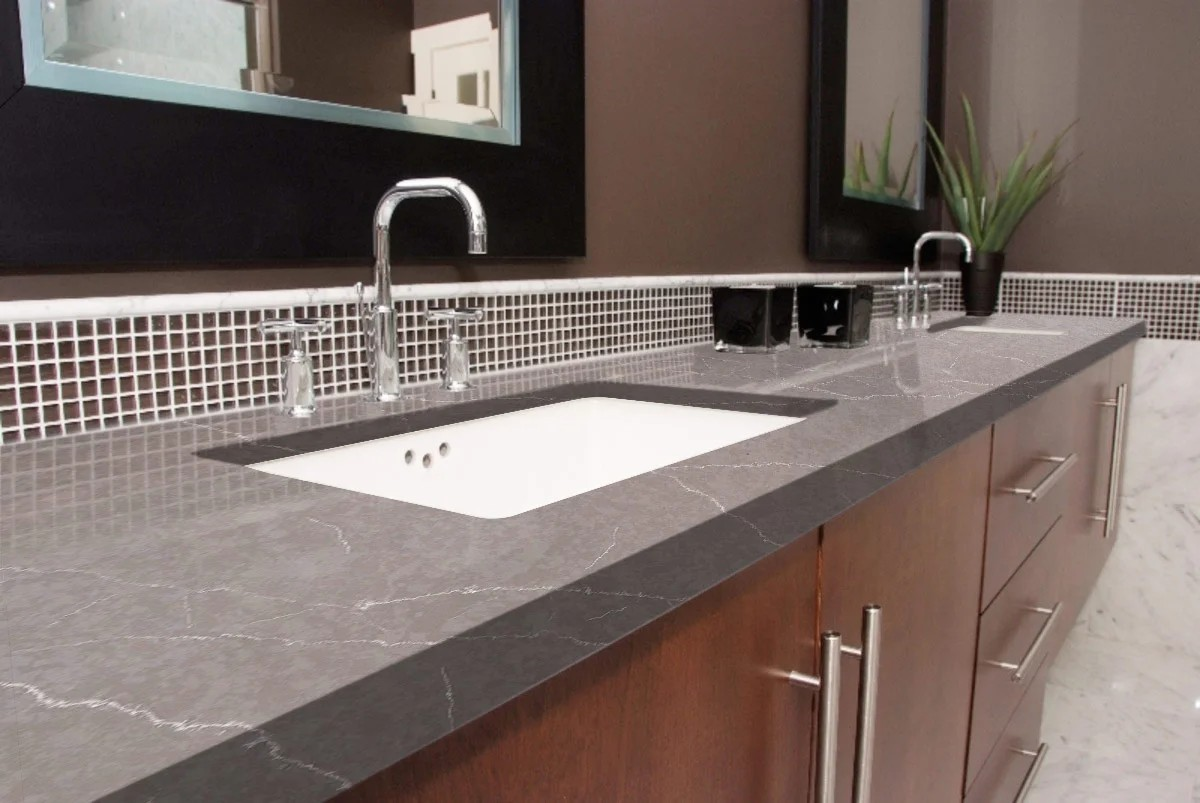
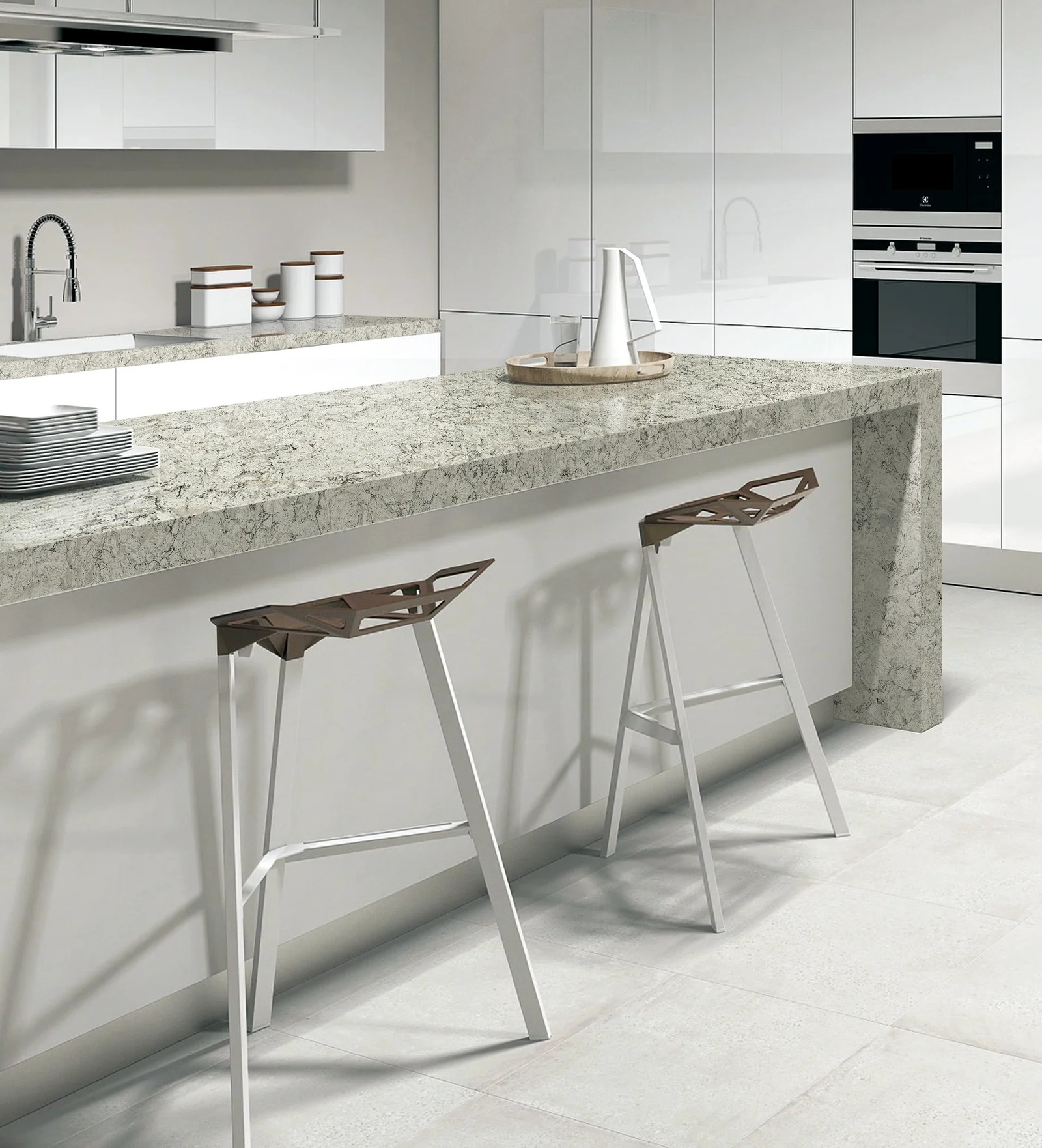
- QUARTZ:Due to advanced manufacturing technology, quartz countertops are offered in an ever-increasing number of colors, patterns, and finishes, many of which beautifully mirror the natural components of stones such as granite or marble. Quartz countertops boast a great deal of design ability, with color and pattern constituting an inherent characteristic of every slab of quartz, and a perfect complement to modern day interiors.
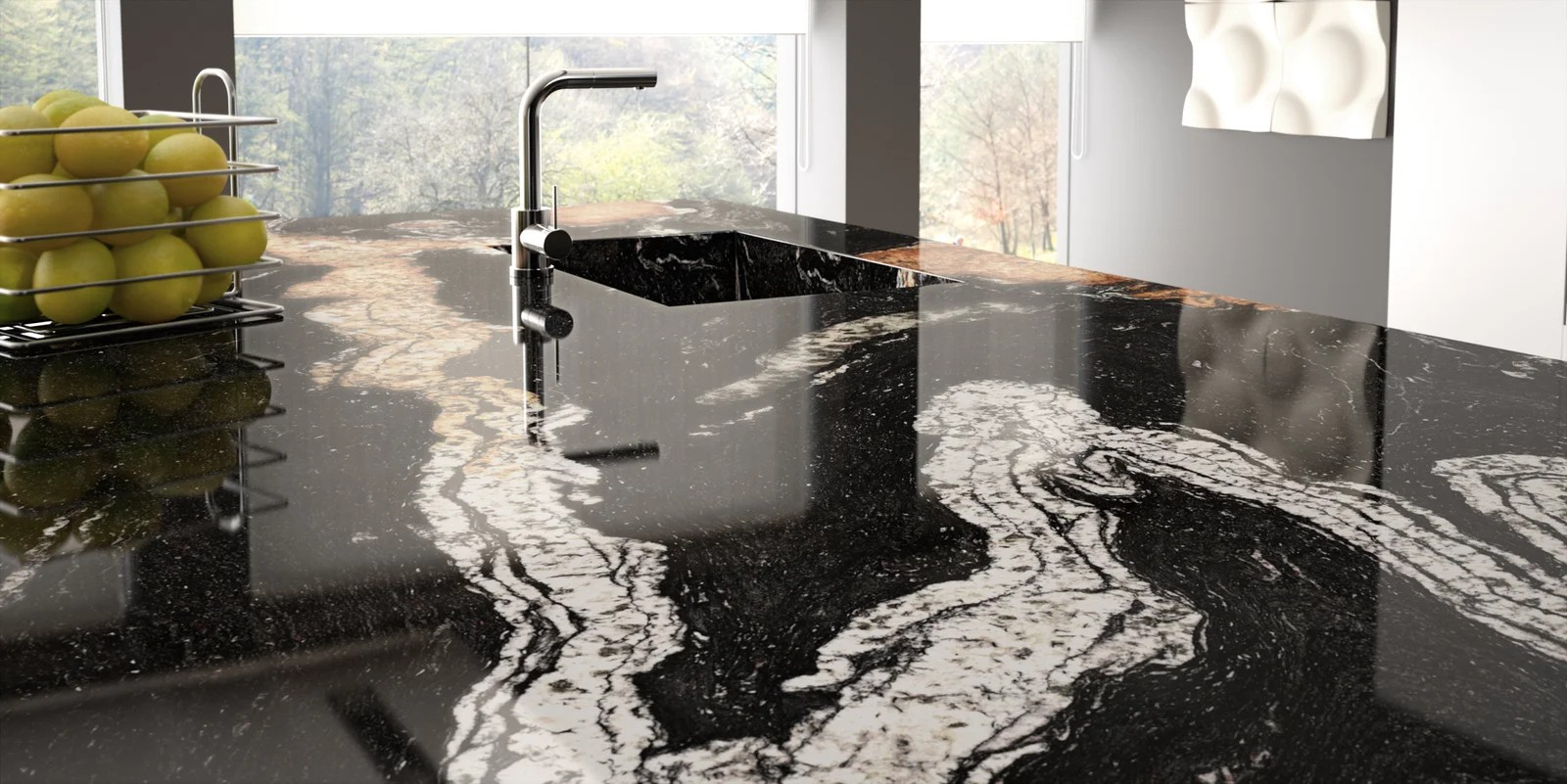
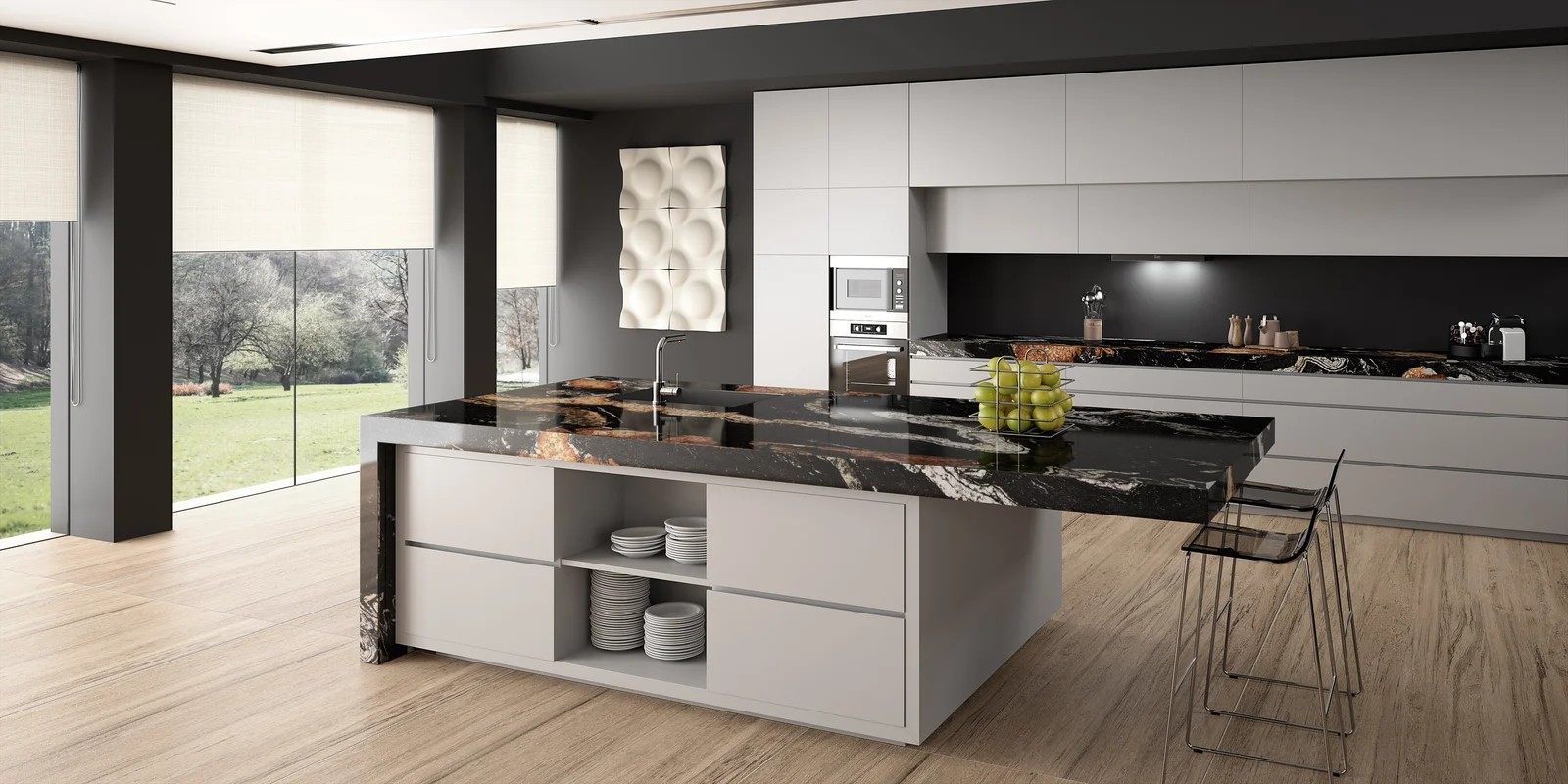
- GRANITE: Granite showcases the natural beauty of stone, with patterns of veining and coloring that evolve from millions of years. "You will never find two slabs that are the same, enhancing your kitchen with a unique and timeless ambiance that embraces the beauty of nature."
- QUARTZ: Generally speaking, quartz is going to be more expensive than granite; however, granite also ranges in price depending on the brand, availability, color, and patterns. In the long-term, durability and consistency of maintenance can equal out the higher cost.
- GRANITE: In most instances, granite is more cost-effective than quartz; a practical choice for someone seeking natural beauty and heat resistance, of course granite will also afford you the desirable cost-effectiveness and will withstand heat in busy kitchens.
Price Comparison
- Granite is ideal for someone who appreciates natural beauty and the distinctiveness - on this surface - it expresses.
- Quartz is great for a homeowner who values durability with little opportunity for maintenance.
Conclusion
Both materials offer unique opportunities.
Comparing Quartz vs Granite
Choosing between quartz and granite for your kitchen worktop can be challenging. Both offer distinct advantages in durability, design, and upkeep. Let’s explore their differences in detail.
Quartz vs Granite: Which is the Best Worktop Material?
Each material has its own unique properties. Quartz worktops are engineered from natural quartz crystals mixed with resins, offering a tough, non-porous surface. Granite, on the other hand, is a 100% natural stone that delivers unparalleled beauty and individuality.
Durability
Quartz: Exceptionally durable due to its engineered composition, making it resistant to scratches, stains, and impacts.
Granite: Naturally strong but slightly more prone to chipping or cracking compared to quartz, especially under heavy pressure.
Maintenance Requirements
Quartz: Non-porous and does not need sealing — simply wipe clean with mild soap.
Granite: Requires periodic sealing (once a year) to protect against staining and bacterial growth.
Aesthetic Appeal
Quartz: Available in a wide variety of colors and patterns, including designs that mimic natural stone like marble and granite.
Granite: Offers one-of-a-kind veining and natural texture created over millions of years, ensuring every slab is unique.
Cost
Quartz: Generally more expensive due to its manufacturing process, though cost depends on color, brand, and availability.
Granite: Slightly less expensive and ideal for high-heat environments, making it a cost-effective yet luxurious choice.
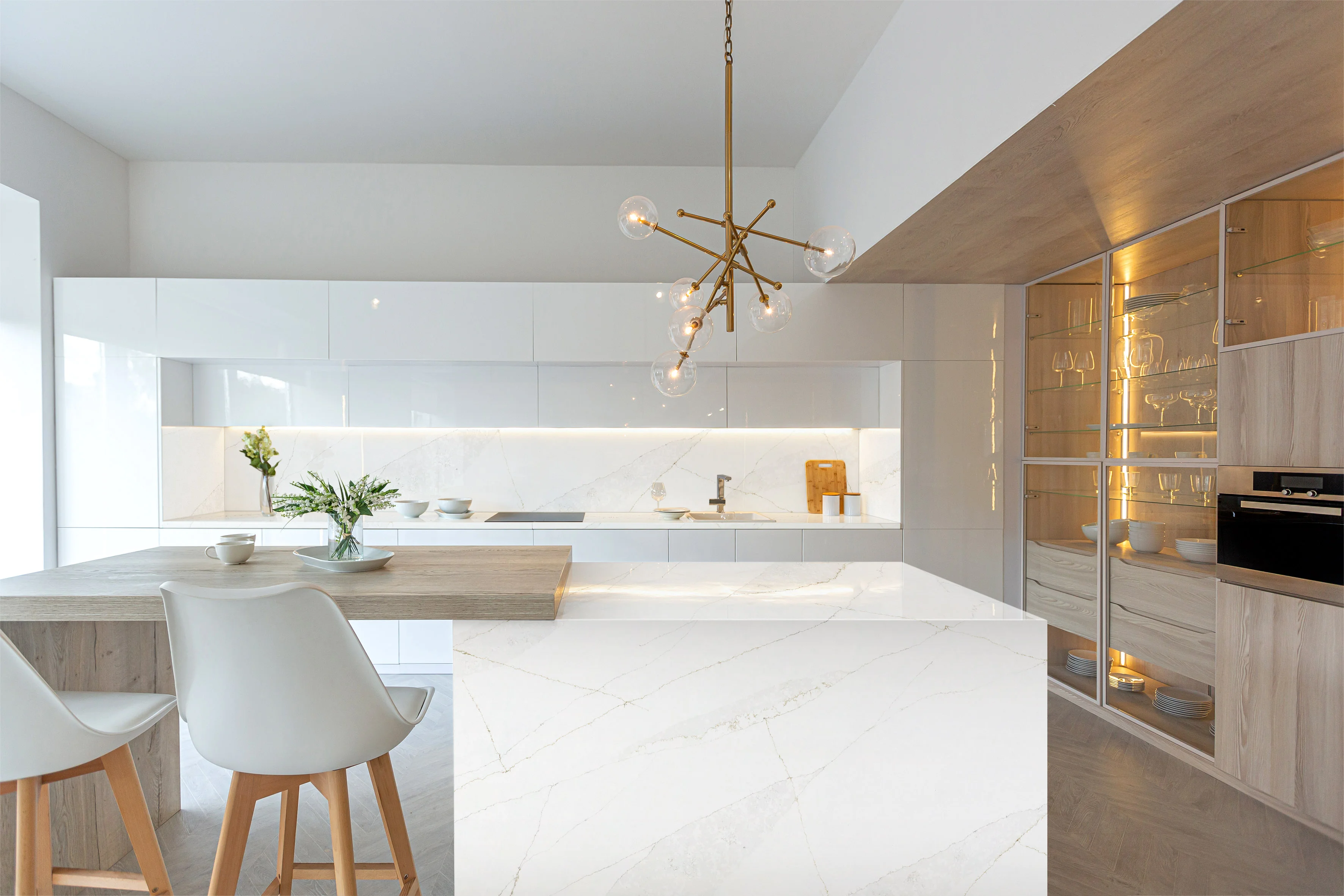
Conclusion: Choosing the Best Option
When selecting between granite and quartz for your new worktops, there are several factors to think about, including your lifestyle, design preferences, and maintenance needs. Here’s a comparison:
Durability: Granite and quartz are both incredibly durable materials, however if you have a bustling home (especially if you have kids or host a lot of get-togethers), quartz may be your best bet. The surface of quartz is non-porous which allows for much greater scratch, stain and general wear resistance, which is ideal for busy kitchens.
Maintenance:Quartz is essentially maintenance free and never requires sealing. Quartz’s non-porous surface does not absorb liquids or bacteria and is easy to keep clean and sanitary.
Aesthetic Characteristics: So much of your decision will be related to your design preferences. The color and pattern variations in quartz are virtually limitless, some of which are absolute replicas of natural stone, while others provide unique and striking modern aesthetics.
Granite provides beauty and visual interest that follows the natural vein throughout the slab; every slab is unique.
Granite also provides great heat resistance as well as durability. However, it may require resealing every few years, depending on the use of the surface to maintain its stain and moisture resistance.